Field validation
Field validation incorporates a back office check of identified bypass meters along with a field visit. The Meter Bypass application requires you to install and run the DataCollectionAgent (DCA) for at least 30 days before field validation.
Baseline recommendations
The following requirements provide data for accurate and precise results. Itron recommends the customer provide the following.
-
Previously identified bypass with jumpers with meter in socket (meters and locations)
-
Statistics on customer findings with the number of bypass meters identified per existing customer methods in a month.
-
Meter program and data
-
Meter events
-
Meter removal
-
Power outage/restoration notifications
-
Remote disconnect/reconnect for non-payment
-
-
Updated distribution electrical hierarchy (DEH) file
-
Overhead/underground
-
Residential/commercial
-
Status (active/inactive)
-
-
Back office check
In the user interface, check the Meter Bypass KPIs, then check internal utility records for supporting information, such as the following.
-
Status of meter/service
-
Account status
-
Existing trouble tickets
-
Any existing power surge equipment's status
-
-
Compare with existing meter tamper list
-
Meter/service history
-
Billing issues (non-payment)
-
Customer complaints
-
Service saver
-
Field investigation
Field validation involves field visits by appropriate crews or personnel. A digital multimeter may be used during field investigations.
The following actions are recommended for proper field investigation of a meter bypass.
-
Perform a visual inspection of the weatherhead, service, and meter components (can, seal, lock, Zap Cap).
-
Take photo for records.
-
-
Remove meter and visually inspect for bypass device.
-
Take photo for records.
-
-
In cases where a bypass is not visible, pull out the meter.
-
Perform a voltage test on the load side at the utility meter socket.
-
If voltage is detected, a diversion is indicated.
-
-
Theft examples
Theft is unaccounted electricity consumption resulting in unbilled meter readings.
Bypass. This type of theft occurs at a meter when jumpers are installed to physically bypass the revenue meter (tampering is involved and the seal is typically broken).
The following photos provide visual examples of the different types of theft.
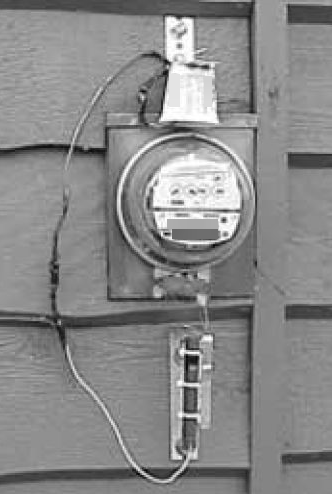
Figure 3 Bypass. Use of jumpers to physically bypass the revenue meter.
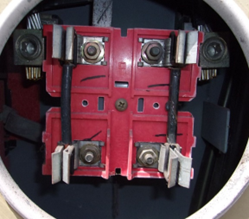
Figure 4 Bypass. Use of jumpers at the meter socket.
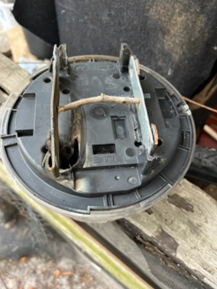
Figure 5 Bypass with meter in socket and jumper attached. The meter was sending DCA data back to the head end.
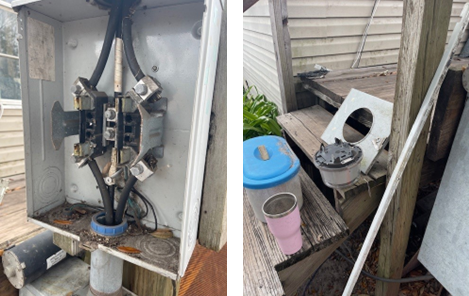
Figure 6 Meter removed and jumper installed at sockets. The meter was not sending DCA data or AMI data to the head end. The meter was removed after remote disconnect for no payment.
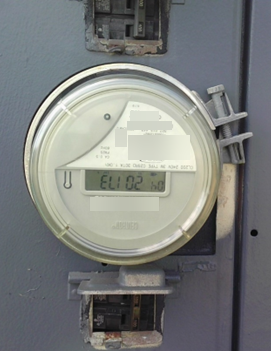
Figure 7 Meter inversion.
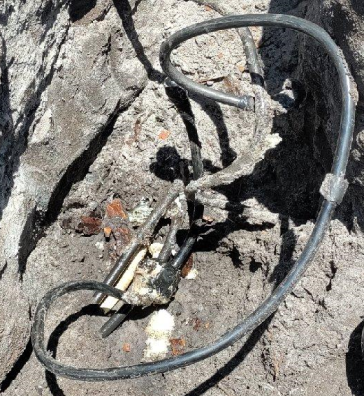
Figure 8 Meter diversion ahead of the meter.
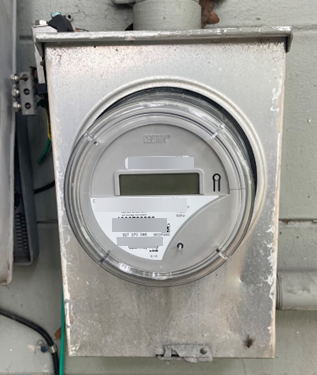
Figure 9 A non-standard meter cover is on the meter. The meter is still connected but has 0kWh usage or the meter is still connected and the usage is slightly above 0kWh. A meter wiring tamper is observed (no reading).